

Women’s Sleep Issues
While women tend to have more deep sleep than men, they also may have worse quality of sleep.
Some of this may relate to hormone fluctuations during the menstrual cycle, pregnancy, and the menopausal transition. Women are twice as likely as men to have restless legs syndrome (RLS), uncomfortable sensations in the legs with an irresistible urge to move them typically at rest in the evening; this may in part be explained by iron deficiency due to menstruation.
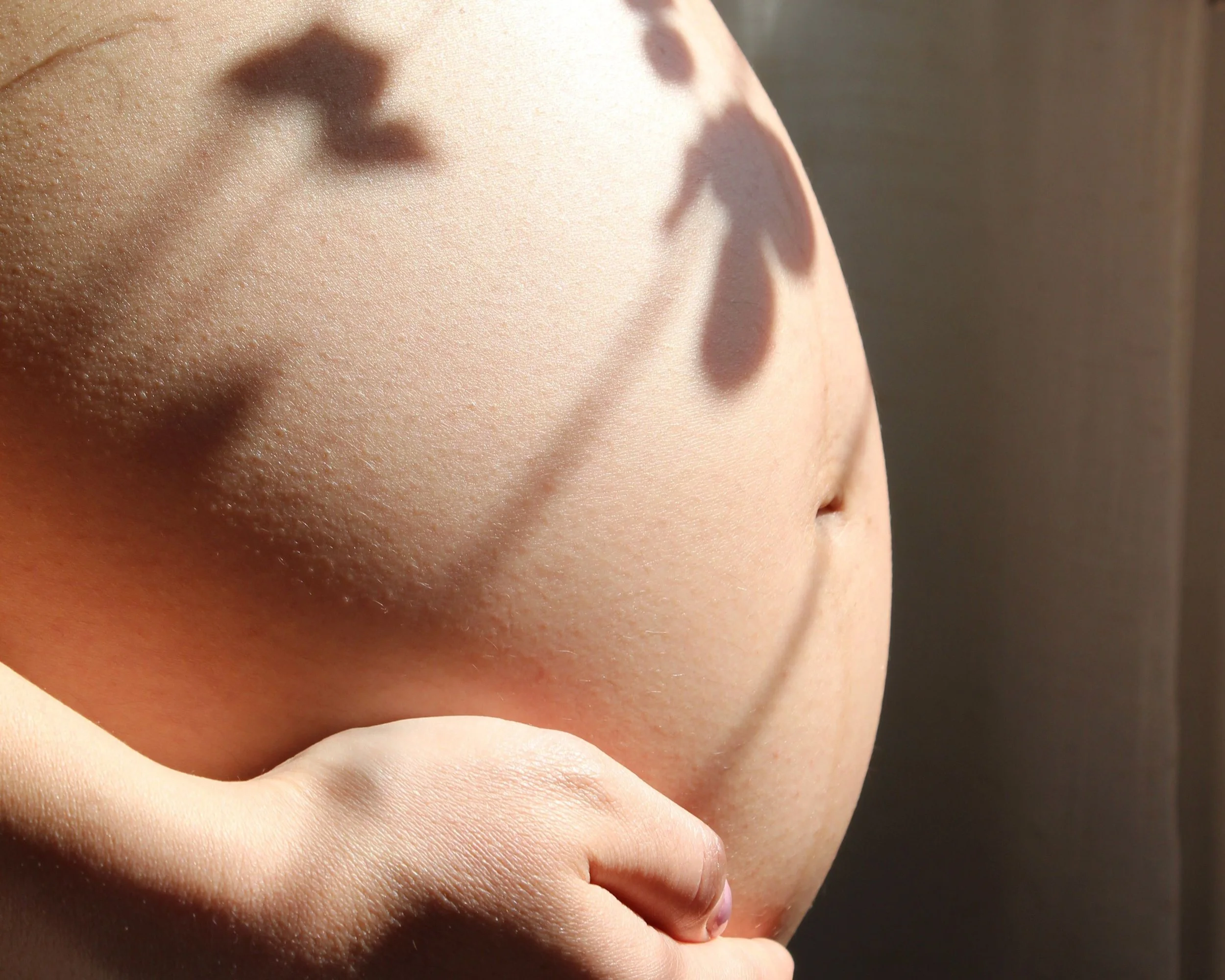
Obstructive sleep apnea (OSA) is a condition during which the collapse of the soft tissues in the upper airway leads to pauses in the breathing which can be accompanied by brain arousals that disturb the sleep continuity. The risk of OSA increases during with menstrual hormone changes, pregnancy, with PMOS/PCOS, and after menopause. While men present with snoring and daytime sleepiness, women have been found to more commonly present with daytime fatigue, morning headaches, depression, and insomnia.
Insomnia is more common in women than in men for reasons that are not clear. It can coexist with OSA or RLS, related to stress or mood disorders, and changing hormonal status over a lifetime. During pregnancy, sleep efficiency decreases. In menopause, sleep problems can be associated with vasomotor symptoms.
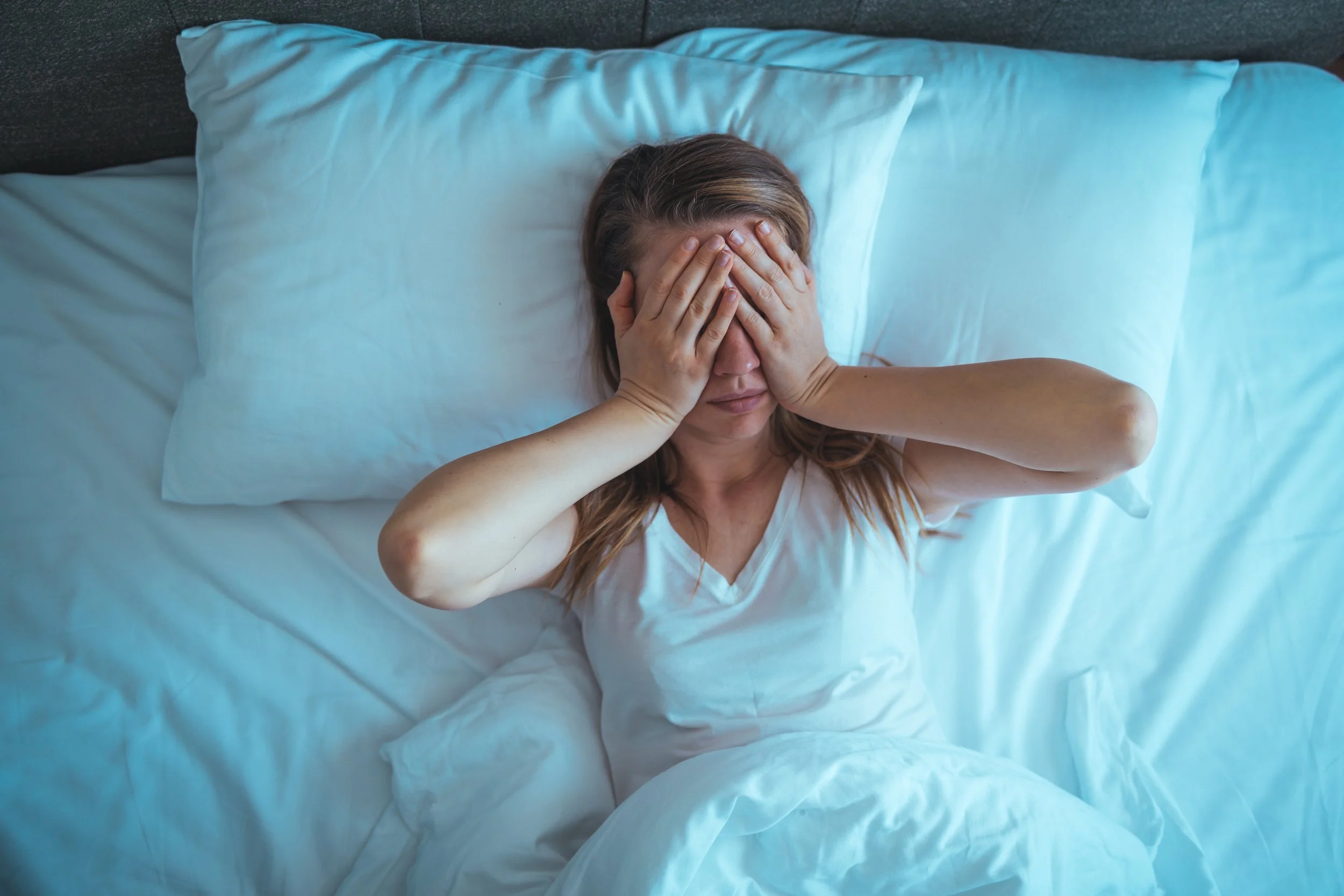
Women should advocate for evaluation if they feel unrested after adequate sleep, even if their symptoms seem atypical, especially if there has been a change in sleep quality. Dr. Jacobs will help identify the challenges to your sleep and help you work toward a more consistent, more restful night and more functional day.