Snoring & Sleep Apnea
Snoring is never normal! But it is not always a sleep disorder.
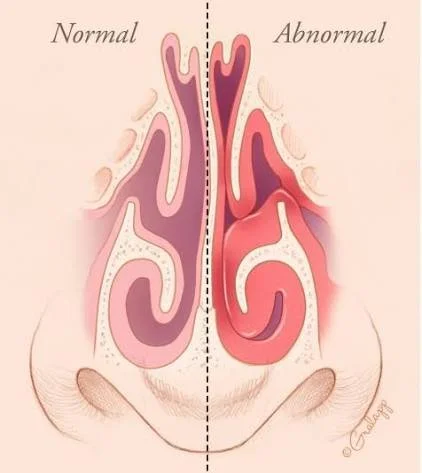
Snoring is vibration of tissue in the back of the throat, mostly during inhalation. When we breathe in, the suction can pull the soft parts of the airway closer and loose tissue can vibrate. That makes the snoring sound. This is often worse when there is nasal congestion, which contributes to more suction and/or mouth breathing, with substances that increase muscle relaxation, like alcohol, and upper airway anatomy changes like weight gain and pregnancy. While snoring can result in a sleep disorder in the bed partner due to sleep disruption, the snorer may not need treatment for snoring without other health risks or symptoms. Habitual loud snoring has been associated with an increased risk of a stroke, so evaluation is usually worthwhile.
A home sleep apnea test is the initial evaluation to try to differentiate loud snoring from obstructive sleep apnea. With that information, we can help treat either condition.
Snoring
Obstructive Sleep Apnea
Loud, habitual snoring is often, but not always, associated with obstructive sleep apnea (OSA), especially in women. OSA is a sleep breathing disorder in which relaxation of the structures in the soft part of the upper airway partially or completely block the airway and result in a pause in the breathing. The reduced or absent airflow can be associated with oxygen drops, which cumulatively are associated with health risks, and/or brain awakenings which may not wake you to consciousness, but which disturb sleep continuity. While data from a home wearable may be suggestive of the condition, only an approved sleep test can make the diagnosis on which we can base treatment.
There are many symptoms that can be associated with OSA including daytime sleepiness, fatigue, insomnia, morning headache, cognitive impairment, and moodiness. More sleep generally does not make symptoms better. The type or severity of symptoms does not predict who has mild or severe sleep apnea. OSA is also associated with other health risks like heart attacks, irregular heart rhythms, strokes, type 2 diabetes, and dementia.
The next step after a detailed history is to test you while you sleep. This is typically done first with a home sleep apnea test. While it is less accurate than laboratory testing, they tend to be more comfortable and reflect your usual sleep.
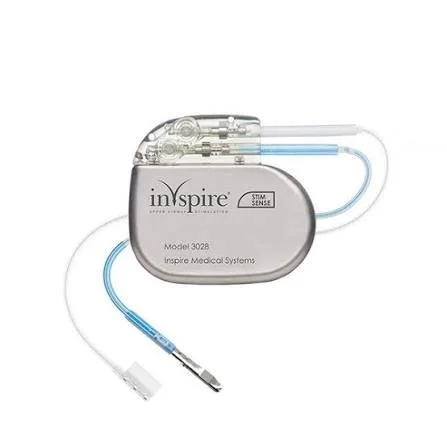
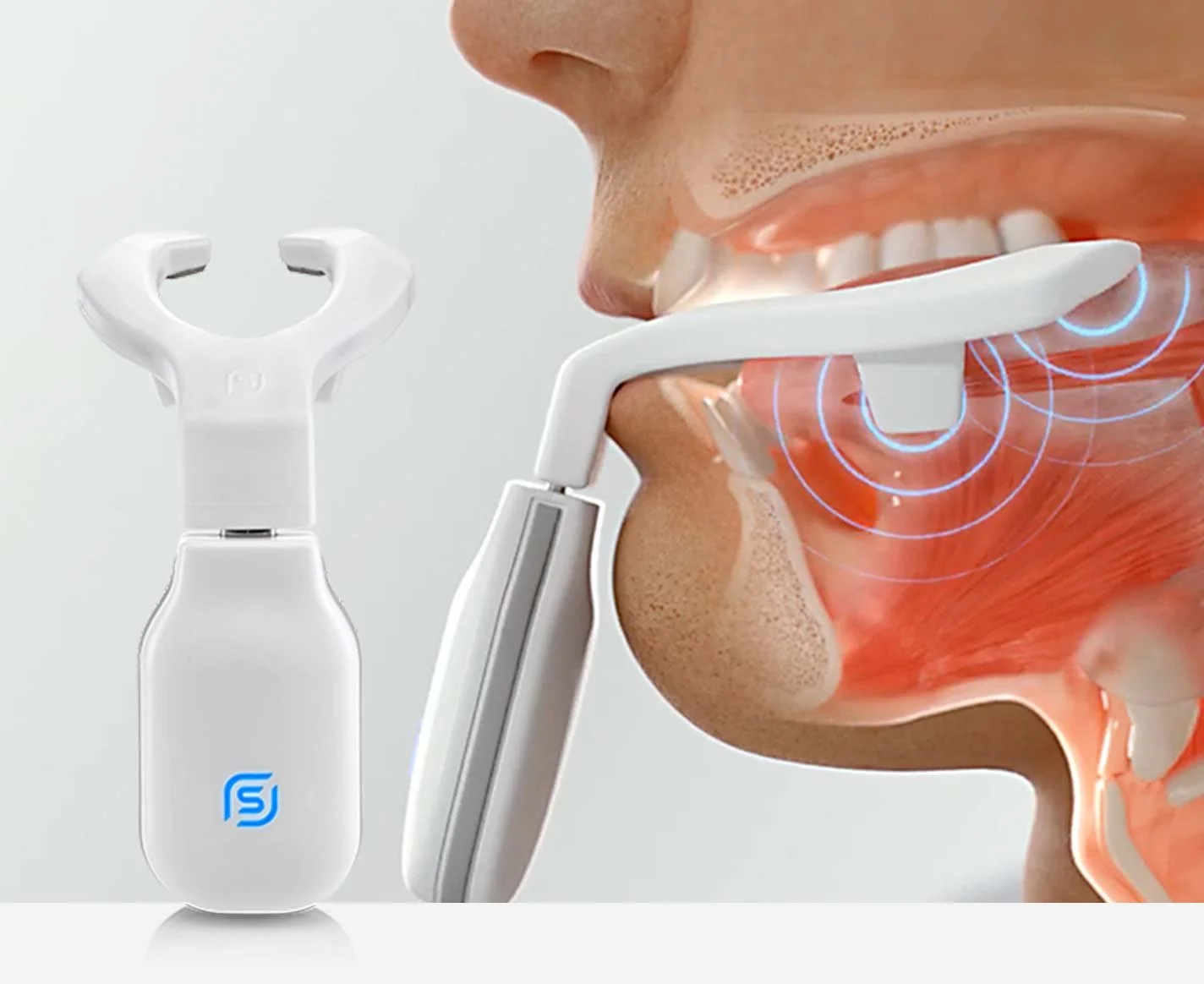
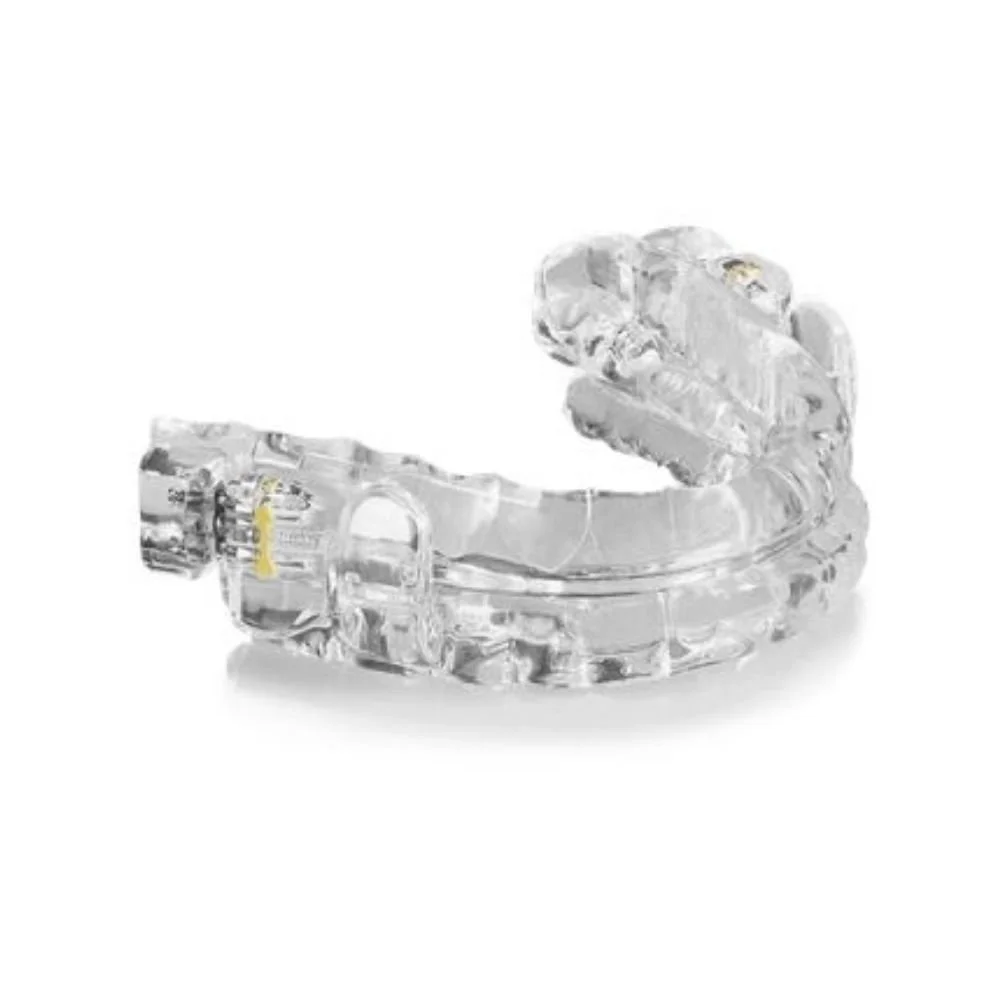
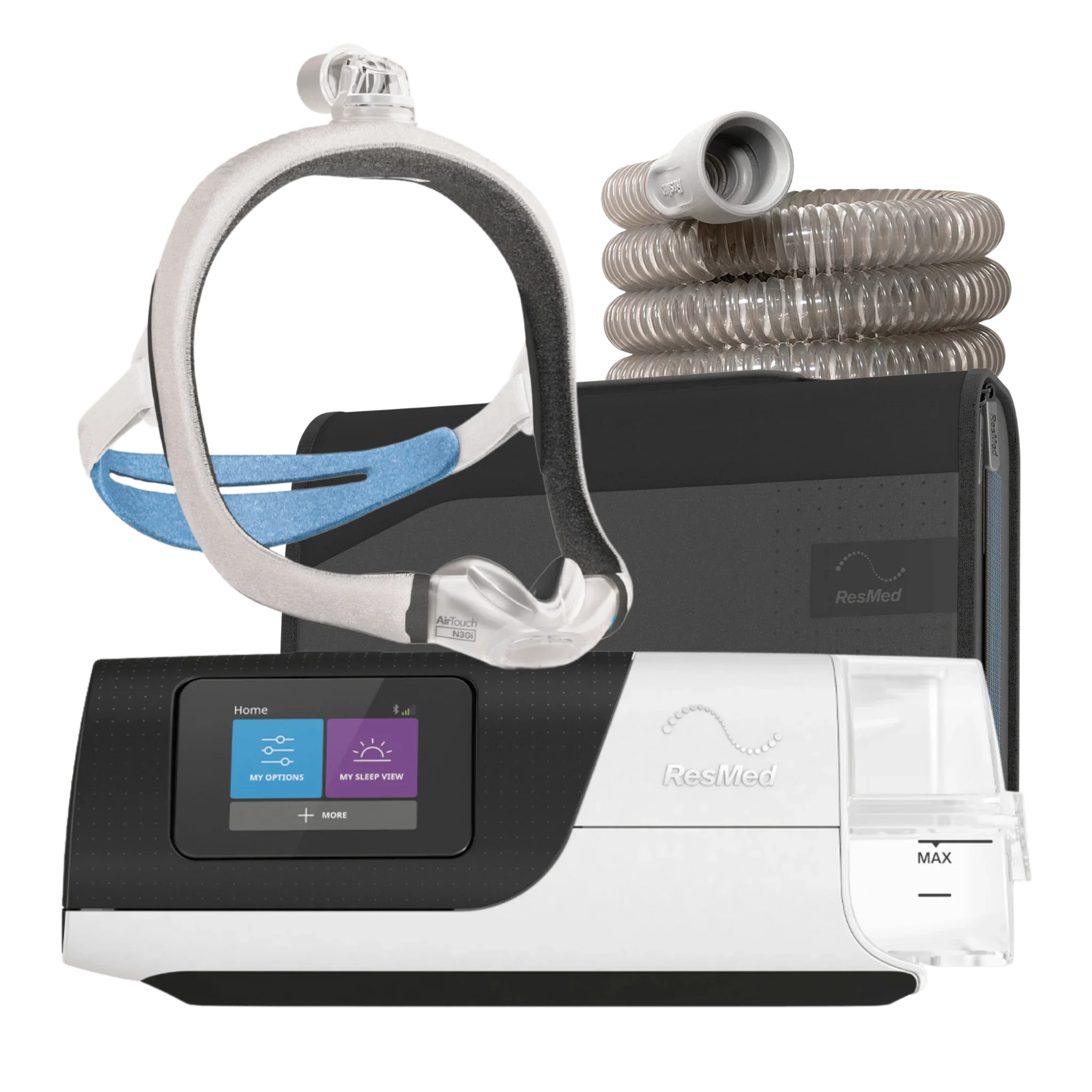
It is important for you to know that there are many options to treat obstructive sleep apnea (OSA). Dr. Jacobs is comfortable with a variety of treatments, including hypoglossal nerve stimulation and eXciteOSA, and will work with you to find a path to successful therapy, better sleep, and improved health.
OSA and Snoring Treatments