

Insomnia
There are many ways to think about insomnia: acute or chronic, trouble falling asleep versus staying asleep, and/or waking earlier than desired, and primary or secondary to another health condition or treatment. This is why the history of how and when it started, how the actual sleep disturbances are described, and what other circumstances are present are all so important. Also important is the extent to which the nighttime sleep disruption affects daytime function.
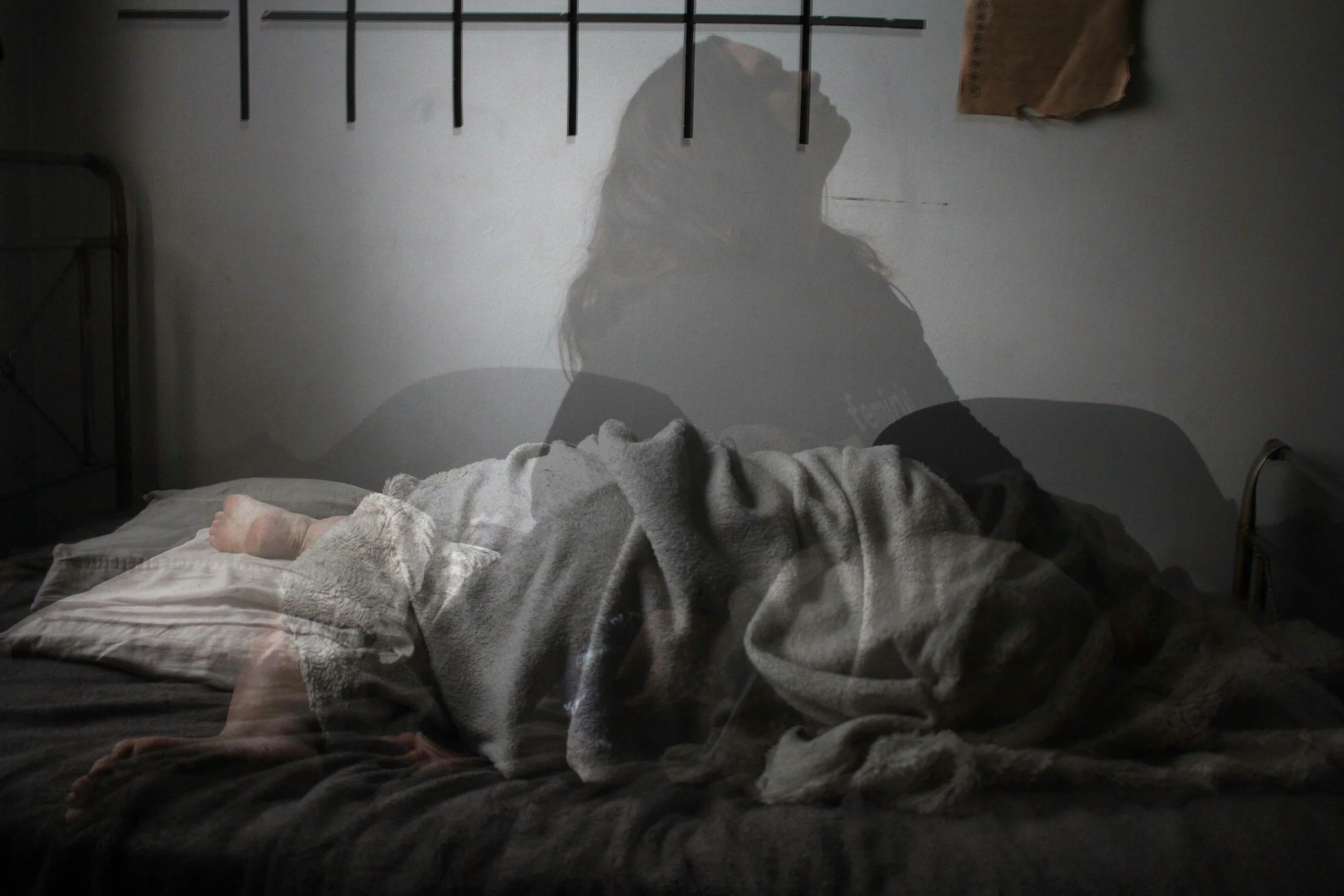
About one third of adults experience acute insomnia during the year.
While uncomfortable, this is often self-limited and may not need much treatment. Insomnia is considered chronic when trouble sleeping occurs on at least 3 nights per week for at least 3 months; 10 to 15% of adults report chronic insomnia. It is important to assess conditions that may trigger insomnia or that occur at the same time. This often includes sleep testing to look for other specific sleep disorders that can contribute to disrupted sleep, like obstructive sleep apnea (OSA) and periodic limb movement disorder (PLMD).

Treatment of chronic insomnia starts with treatment of any identified sleep disorder.
It may may include modification of lifestyle and/or environmental circumstances. Other ninterventions include Cognitive Behavioral Therapy for Insomnia (CBTI), supplements and medications.
What can you do when you experience acute insomnia?
Start with establishing a consistent sleep schedule based on a very predictable wake time. Get out of bed at the same time every morning and try to go to be 7 to 8 hours before that wake time. Avoid eating large meals within 3 hours of bedtime and exercise within 4 to 6 hours of bedtime (for most adults). Finish daytime activities early enough to have time to wind down for at least 30 minutes. This is separate from a 20 to 30-minute pre-bed ritual which sets the stage for sleep to happen.